

Sustain Risk Reduction Through Continuous Visibility and Assessment
Identify vulnerabilities across networks, systems, and applications using automated
scanning and expert validation. Findings are prioritized by risk, with actionable
remediation guidance to support secure and compliant operations.

Proactive vulnerability identification and prioritization

Regulatory alignment, including requirements from the National Cybersecurity Authority (NCA)

Validation of remediation effectiveness

External, internal, authenticated, and unauthenticated scanning
Strengthen Defenses Using Real-World Attack Simulation
Simulate modern attack techniques to uncover exploitable weaknesses, assess potential
business impact, and validate defensive effectiveness across critical environments.

Web applications (OWASP Top 10 aligned)

Network infrastructure (internal and external)

Mobile applications (client, network, backend)

APIs and integration layers

Wireless networks and access controls
Embed Security Early Through Code-Level Assurance
Conduct structured, line-by-line reviews of application code to identify insecure logic, weak
controls,
and design flaws, ensuring security is built into applications from development onward.

Early detection of security weaknesses

Reduced risk from hardcoded secrets and vulnerable dependencies

Lower remediation cost compared to post deployment fixes

Alignment with OWASP Secure Coding Practices and OWASP ASVS
Minimize Attack Surface Through Secure Configuration
Assess system and security technology configurations to identify misconfigurations,
reduce attack surfaces, and ensure alignment with recognized security benchmarks.

Servers, domain controllers, network devices, and security platforms

Automated and expert-led manual reviews

CIS Benchmarks, NIST standards, and organizational security baselines
Validate Detection and Response Under Real Conditions
Execute adversary-driven simulations to evaluate how effectively threats are detected,
contained, and responded to across people, processes, and technology.

Realistic threat actor attack scenarios

Evaluation of monitoring and response capabilities

Identification of chained attack paths to critical assets

Actionable improvements focused on resilience, not just vulnerabilities

Define objectives, scope, and success criteria

Guide fixes, validate effectiveness, and reduce residual risk

Deliver prioritized findings with practical recommendations
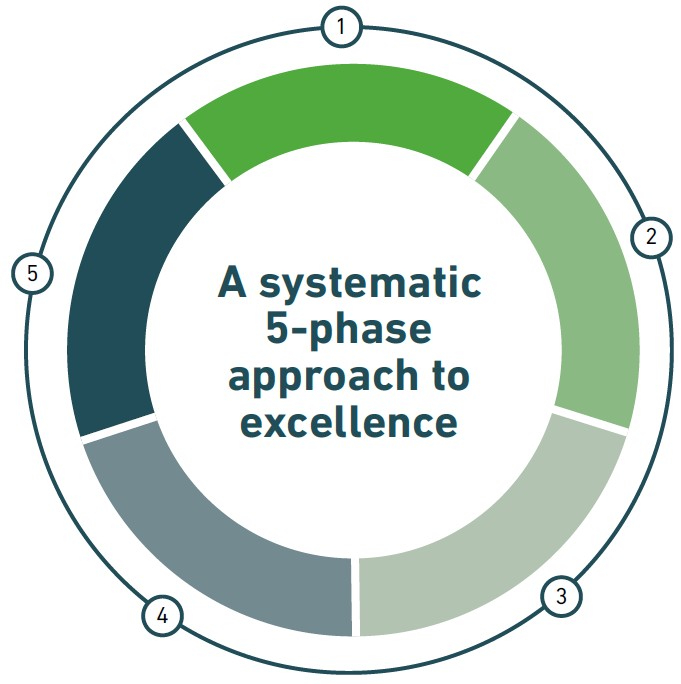

Identify target systems and gather intelligence

Execute assessments and validate exploitable weaknesses

Clearly defined security objectives

Rigorous, standards aligned testing

Expert validation and risk prioritization

Actionable, decision-ready insights

Improved security posture, sustained compliance, and reduced organizational risk
